Brazil’s Camilla Marcus on Intentional Cooking and a Backyard Lunch
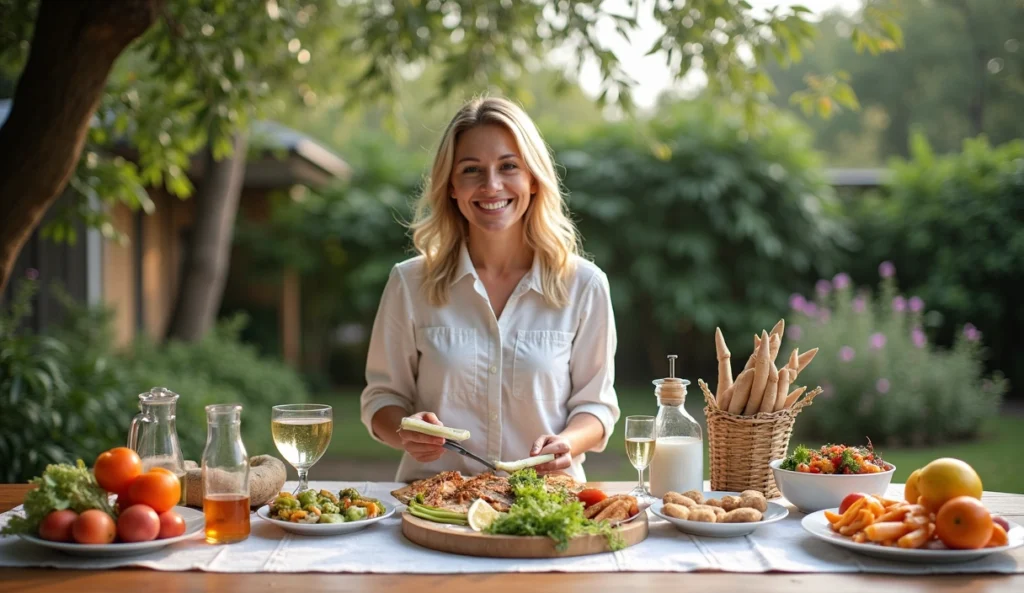
Chef Camilla Marcus recently hosted a backyard lunch in Los Angeles to celebrate the launch of her new cookbook, My Regenerative Kitchen. The event, held under the trees with a small group of friends, featured plant-based dishes from the book, including tartines, a crunchy fennel salad, and rose chocolate bark. Natural wine was served as guests discussed her approach to cooking.
Marcus is a regenerative chef, founder of west~bourne, and a mother of four. Her cooking philosophy centers on using whole vegetables and reducing waste. She describes her method as improvisational, comparing it to jazz music. She lets the farmers market guide her menu, often planning meals the same day. “What’s good for our soil is always better for our health,” she said.
Her book argues that everyday food choices are a practical way to take climate action. She suggests small, cumulative changes rather than a complete lifestyle overhaul. The goal is to make these shifts feel natural over time.
Zero-Waste Kitchen Tips from Camilla Marcus
Marcus recommends swapping paper towels for washable kitchen towels. She suggests replacing plastic wrap with beeswax alternatives and using glass jars and metal tins for pantry storage. Silicone bags can replace disposable plastic bags. She also freezes stocks, sauces, and leftover wine in silicone molds for later use.
She advises using the whole vegetable. Fennel fronds can be used as garnish, stalks can go into stock, and many vegetables do not need peeling. Before throwing away scraps, she asks if they can add flavor to a broth or sauce. Onion peels, herb stems, and cheese rinds are all fair game. What cannot be cooked should be composted.
For cleaning, she looks for nontoxic brands such as Koala Eco, Branch Basics, and Grove Collaborative. She recommends starting composting with a countertop bin. According to her, composting emits 20 times fewer greenhouse gases than sending food waste to a landfill.
These practices, including the swaps and the compost bin, did not feel like discipline during the lunch. They felt like a natural part of how Marcus moves through the world: paying attention, wasting nothing, and finding pleasure in the process. The menu served that afternoon was the starting point, but she encourages others to adapt it as they see fit.
Marcus’s approach to food is rooted in a sense of liberation. She writes about improvisational cooking the way musicians talk about jazz. Not knowing exactly where the notes will lead is the point. The farmers market becomes the guide, and letting go of control becomes liberating and inspiring rather than stressful. The lunch prompted a rethinking of the relationship between spontaneity and nourishment.
Her book makes the case that everyday choices, from the ingredients people buy to how they prep them and what they do with leftovers, are accessible entry points into climate action. These actions are not about deprivation or a complete overhaul, but through small, cumulative shifts that start to feel natural over time.
The menu from the lunch included a whole stalk or bulb salad, where every part of the fennel is used. It also featured tartines with heirloom tomato, blue cheese, and golden beets, which came together intuitively with whatever looked best at the market. A spring pea gazpacho and dark chocolate bark with bee pollen, rose petals, and pink salt rounded out the meal.